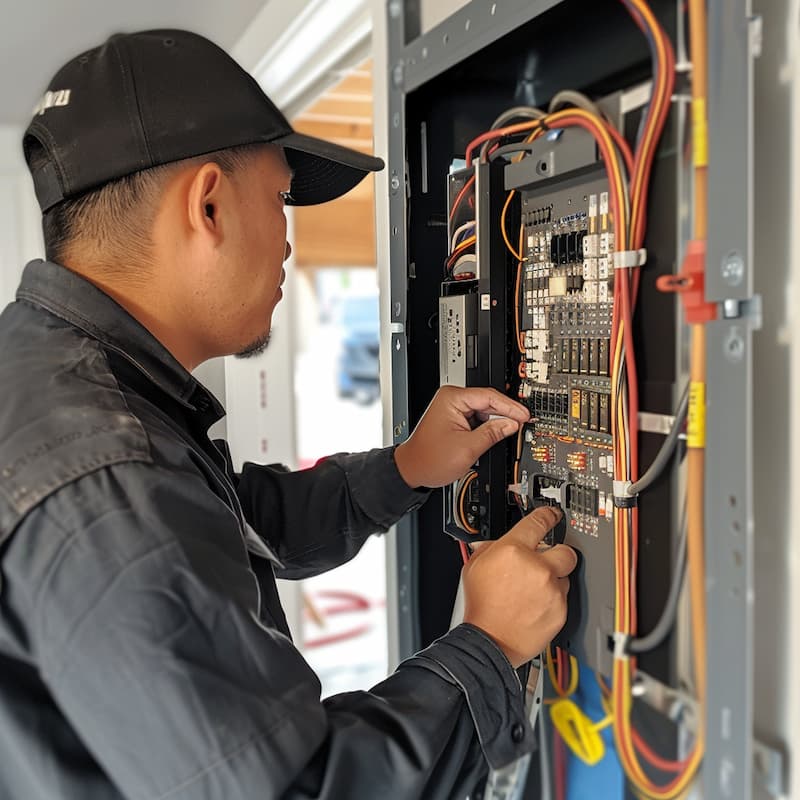

Choosing a career as an electrician can be incredibly rewarding, both personally and professionally. Electricians are essential in our modern, electrically-driven world, providing crucial services that keep homes, businesses, and industries running smoothly. Here’s a closer look at why becoming an electrician might be the perfect career path for you.
Job Stability and Demand
Electricians enjoy high job stability due to the constant demand for their skills. As long as there are buildings and electrical systems, electricians will be needed. According to the Bureau of Labor Statistics, employment of electricians is projected to grow steadily, driven by the construction of new homes and buildings, as well as the maintenance of older infrastructure. This ongoing demand ensures that skilled electricians can find work in various settings, from residential homes to commercial enterprises and industrial facilities.
Competitive Pay and Benefits
A career as an electrician offers competitive pay, with the potential for excellent benefits. Electricians typically earn higher-than-average wages, with the opportunity to increase their income through overtime and specialized certifications. Additionally, many electricians receive benefits such as health insurance, retirement plans, and paid vacation, contributing to a stable and rewarding career.
Diverse Work Environments
Electricians have the opportunity to work in diverse environments and on a variety of projects. Whether it’s wiring a new home, installing solar panels, maintaining industrial machinery, or upgrading an electrical grid, electricians enjoy a wide range of job activities. This diversity keeps the work interesting and allows electricians to continually learn and apply new skills.
Pathways for Advancement
The electrical field offers numerous pathways for career advancement. Starting as an apprentice, you can work your way up to becoming a journeyman and eventually a master electrician. Each level of advancement brings increased responsibility, higher pay, and greater job opportunities. Additionally, electricians can specialize in areas such as renewable energy, commercial wiring, or maintenance, further enhancing their expertise and marketability.
Hands-On, Practical Work
For those who enjoy hands-on, practical work, becoming an electrician is a perfect fit. The job involves problem-solving, critical thinking, and physical activity, making it ideal for individuals who prefer active, engaging work over sitting at a desk all day. Electricians often report high job satisfaction due to the tangible results of their efforts and the immediate impact they have on people’s lives.
Contribution to Sustainability
Electricians play a vital role in promoting sustainability and energy efficiency. With the growing emphasis on renewable energy sources, such as solar and wind power, electricians are at the forefront of installing and maintaining these systems. By becoming an electrician, you can contribute to a greener future and help reduce our reliance on fossil fuels.
Education and Training
Becoming an electrician requires a combination of education and hands-on training. Many electricians start with a technical school program, followed by an apprenticeship that provides on-the-job training under the supervision of experienced professionals. This blend of classroom instruction and practical experience ensures that new electricians are well-prepared for the demands of the job.
Conclusion
A career as an electrician offers a stable, well-paying, and fulfilling path with numerous opportunities for growth and specialization. With the increasing demand for skilled tradespeople, especially in the fields of renewable energy and modern electrical systems, electricians are more essential than ever. If you’re looking for a dynamic, hands-on career with plenty of opportunities to make a positive impact, consider becoming an electrician.
FAQs
Q: What qualifications do I need to become an electrician?
A: To become an electrician, you typically need a high school diploma or equivalent, followed by a technical school program or apprenticeship. Most states require electricians to be licensed, which involves passing an exam and completing a certain number of hours of on-the-job training.
Q: How long does it take to become a licensed electrician?
A: It usually takes about 4-5 years to complete an apprenticeship program and become a licensed journeyman electrician. This includes both classroom instruction and hands-on training under the supervision of experienced electricians.
Q: What skills are important for an electrician?
A: Key skills for electricians include problem-solving, critical thinking, manual dexterity, physical stamina, and a strong understanding of electrical systems and safety protocols. Good communication skills are also important for working with clients and other professionals.
Q: Are there opportunities for advancement in the electrician field?
A: Yes, there are numerous opportunities for advancement. Electricians can move from apprentice to journeyman, and then to master electrician. Additionally, electricians can specialize in areas such as renewable energy, industrial maintenance, or electrical design, further enhancing their career prospects.
Q: What is the job outlook for electricians?
A: The job outlook for electricians is positive, with steady growth expected in the coming years. The demand for skilled electricians is driven by the construction of new buildings, the maintenance of existing infrastructure, and the growing emphasis on renewable energy sources.
Q: How much do electricians typically earn?
A: Electricians earn competitive wages, with the median annual salary for electricians being significantly higher than the average for all occupations. Pay can vary based on location, experience, and specialization, with opportunities for overtime and additional certifications further boosting earnings.